







































































The Ocean Is Getting Darker: A Silent Crisis Beneath the Surface
Scientists warn that more than 20% of the world’s ocean has darkened over the past two decades, reducing sunlight in marine ecosystems and threatening ocean life, oxygen production, and climate balance.
While much of the world focuses on rising temperatures and extreme weather, another environmental warning is unfolding quietly beneath the waves.
The world’s oceans are getting darker.
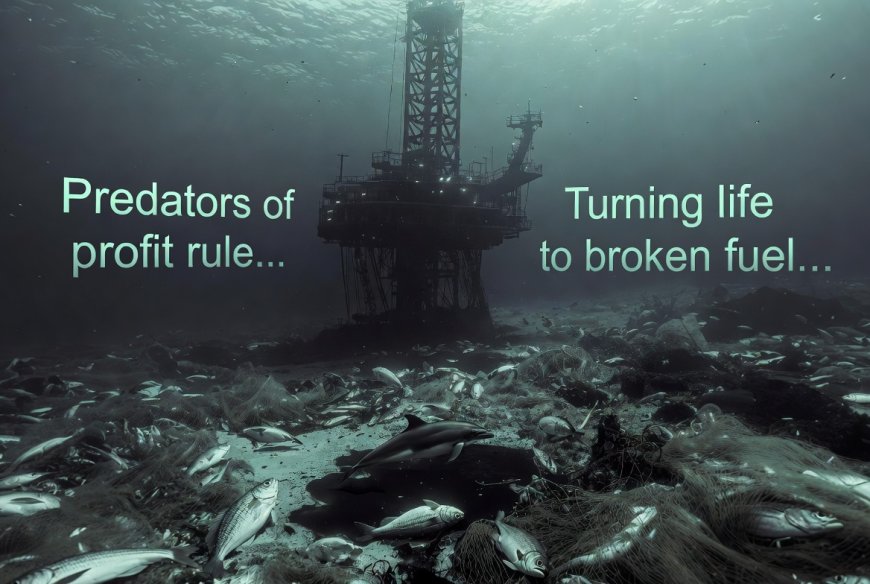
Researchers report that more than 20% of global ocean waters have darkened over the past 20 years, shrinking the photic zone — the sunlit upper layer of the sea where most marine life depends on light to survive.
This zone is critical because it supports:
Phytoplankton that produce oxygen
Coral reef ecosystems
Fish populations and food chains
Natural carbon absorption processes
? Why This Matters
Sunlight powers life in the ocean just as it powers forests on land.
When less light penetrates the water:
Marine species may be forced upward or displaced
Oxygen production can decline
Food chains become unstable
Ecosystems lose resilience
For coastal economies, fisheries, and biodiversity, the long-term effects could be significant.
? What May Be Causing It
Scientists point to several possible drivers:
Climate change altering ocean circulation
Increased algae blooms
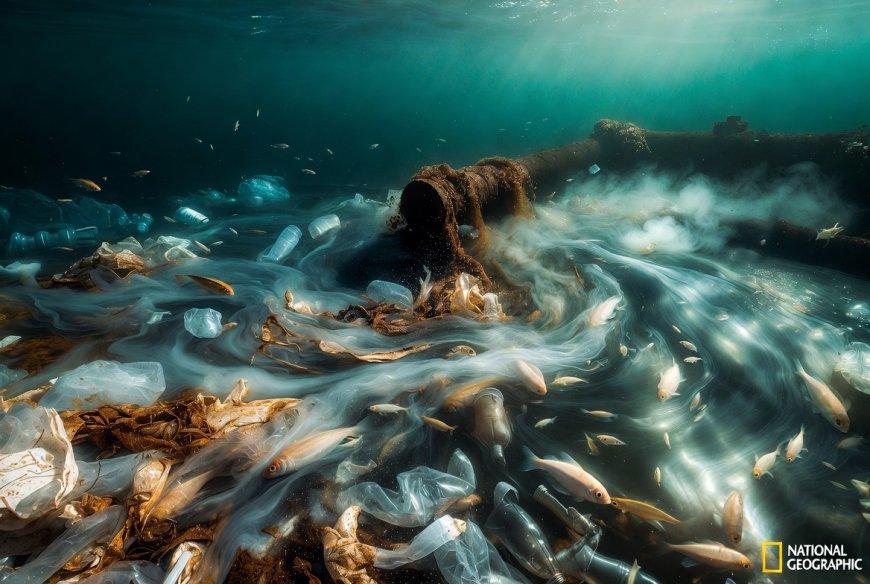
Sediment runoff from land
Pollution and changing weather patterns
Each factor reduces water clarity and blocks sunlight from reaching deeper ecosystems.
⚠️ The Hidden Climate Story
This issue receives far less attention than storms or heatwaves, yet it may carry deep consequences for the planet’s balance.
Healthy oceans regulate temperature, generate oxygen, and feed billions of people.
A darker ocean could mean a weaker Earth-support system.
⚡ Final Insight
The climate story is not only above us in the sky.
It is also below us in the sea.
What's Your Reaction?
 Like
1
Like
1
 Dislike
0
Dislike
0
 Love
0
Love
0
 Funny
0
Funny
0
 Angry
1
Angry
1
 Sad
0
Sad
0
 Wow
0
Wow
0