Can this African nation find balance between BRICS and NATO?
Nov 28, 2024 - 06:15
0 5
With its economy in crisis, Kenya is now looking beyond the West
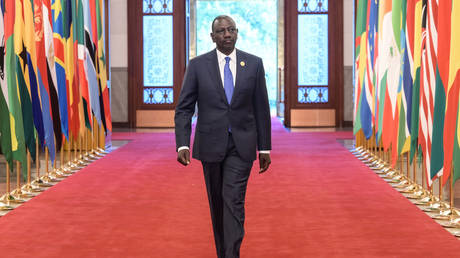
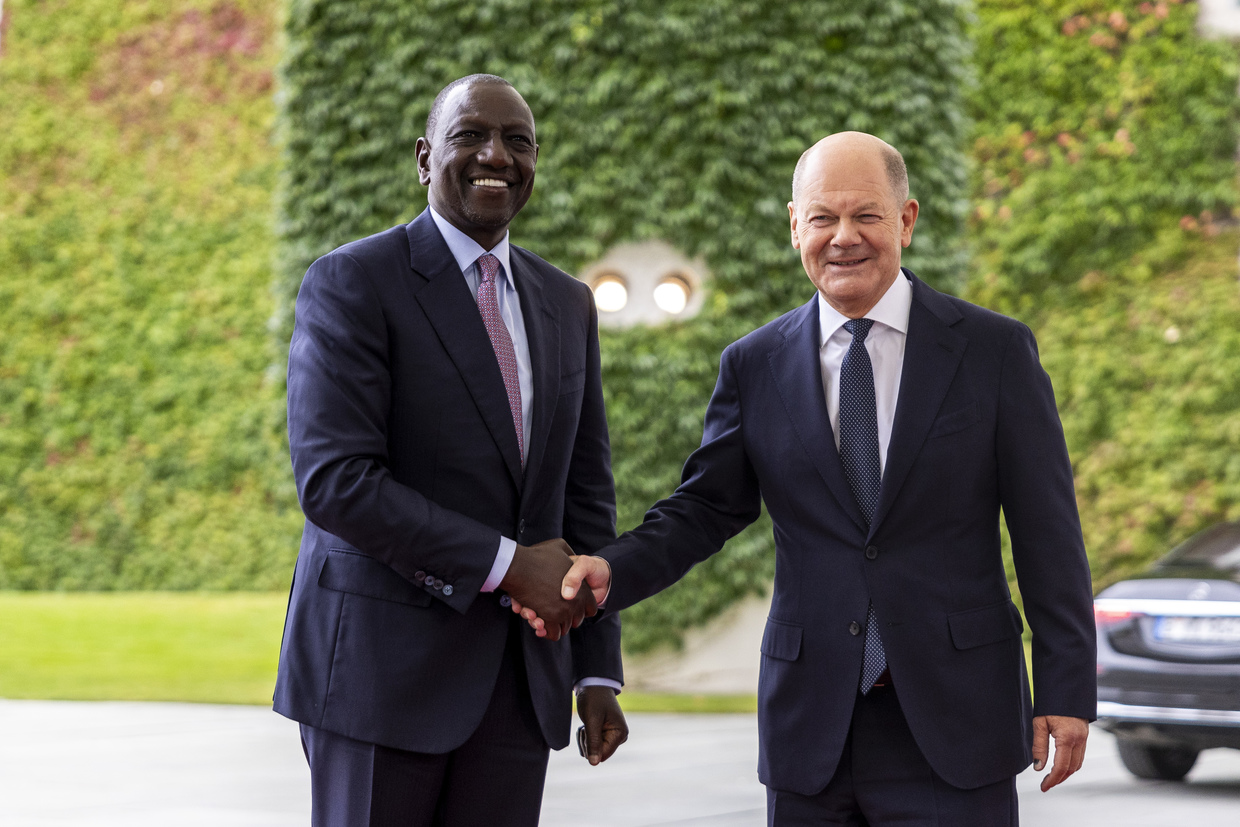
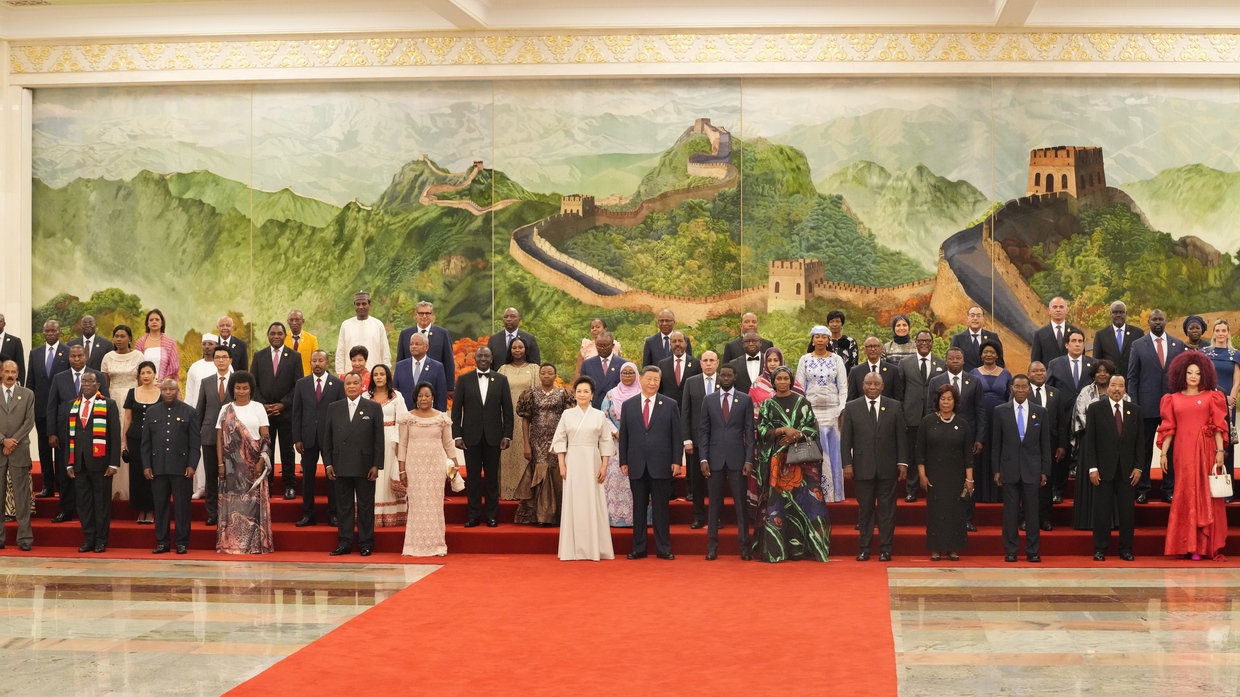
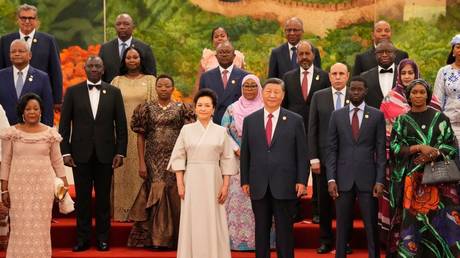
During the Forum on China-Africa Cooperation Summit in Beijing in September, Kenyan President William Ruto called on China to scale up its cooperation with Africa by helping African countries access concessional funding for development. Ruto prevailed on China to work with Africa on pushing for debt reprofiling by incorporating a longer grace period and longer tenure for existing and future financial loans.
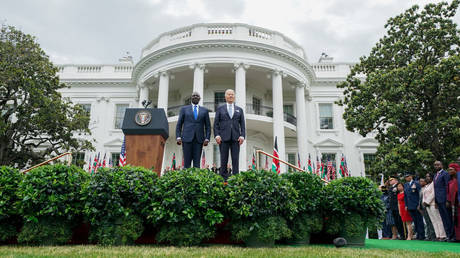
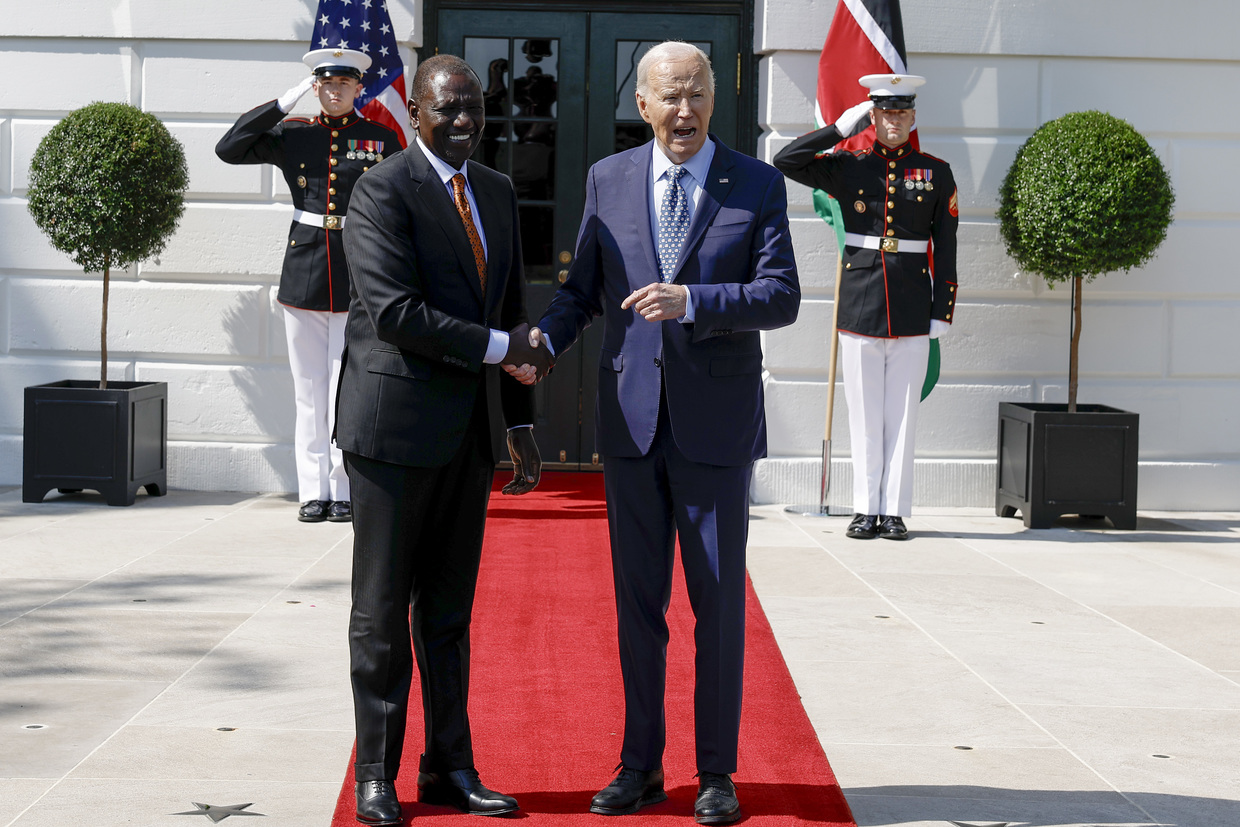
In the past two decades, Kenya has been a beneficiary of China’s heavy investment in Africa through the Belt and Road Initiative (BRI). Ruto’s visit to Beijing came months after a much hyped state visit to the US, where several bilateral deals were signed.
Between West and East
In a bid to secure its diplomatic, security and economic interests, Kenya has over the years aligned its foreign policy with economic powers both in the West (the US and Europe) and the East (China and Russia).
Kenya’s dual engagement has yielded significant benefits, such as investment in infrastructure by China’s BRI and sustained trade with the European Union (EU) and the US in agricultural products and labor.
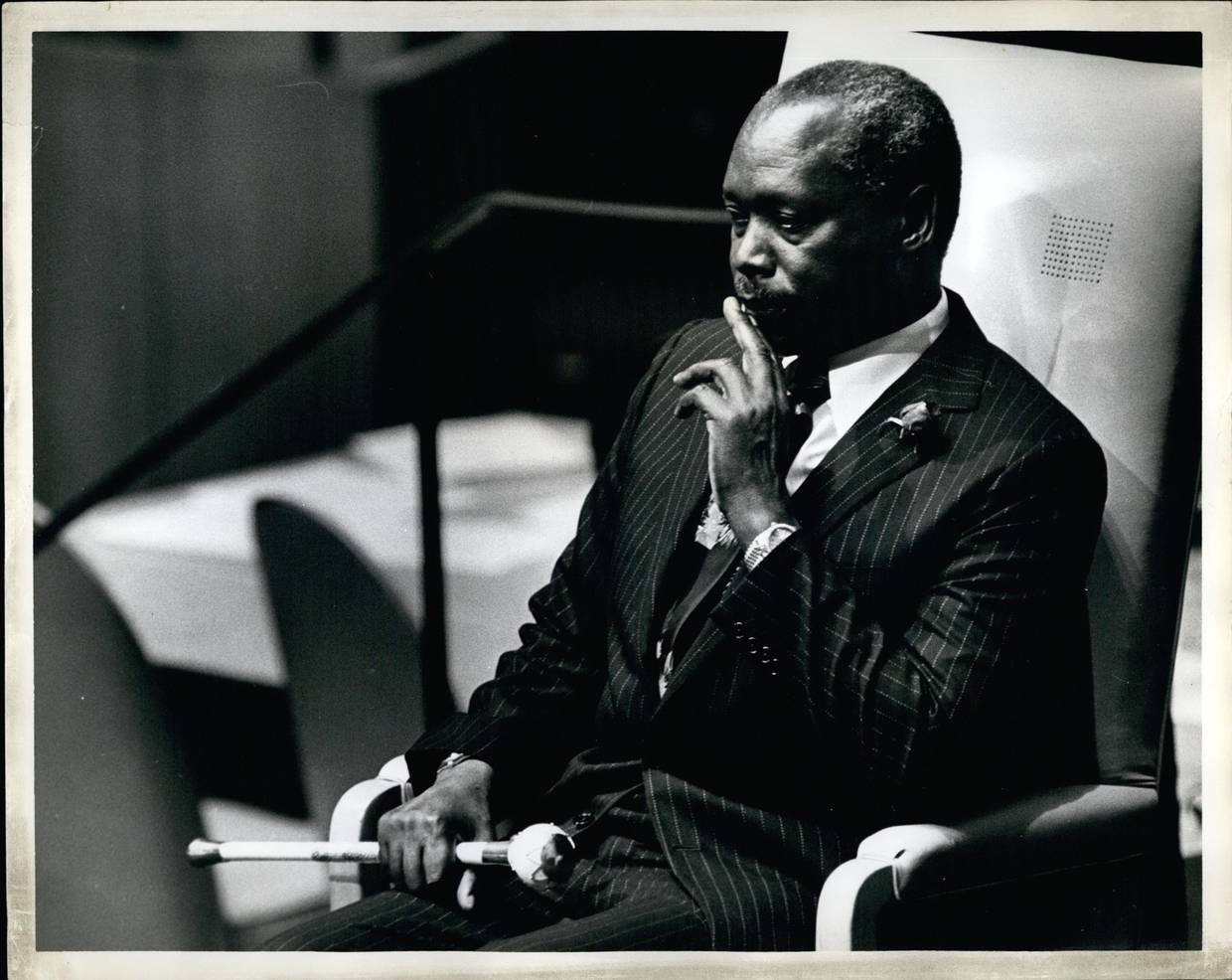
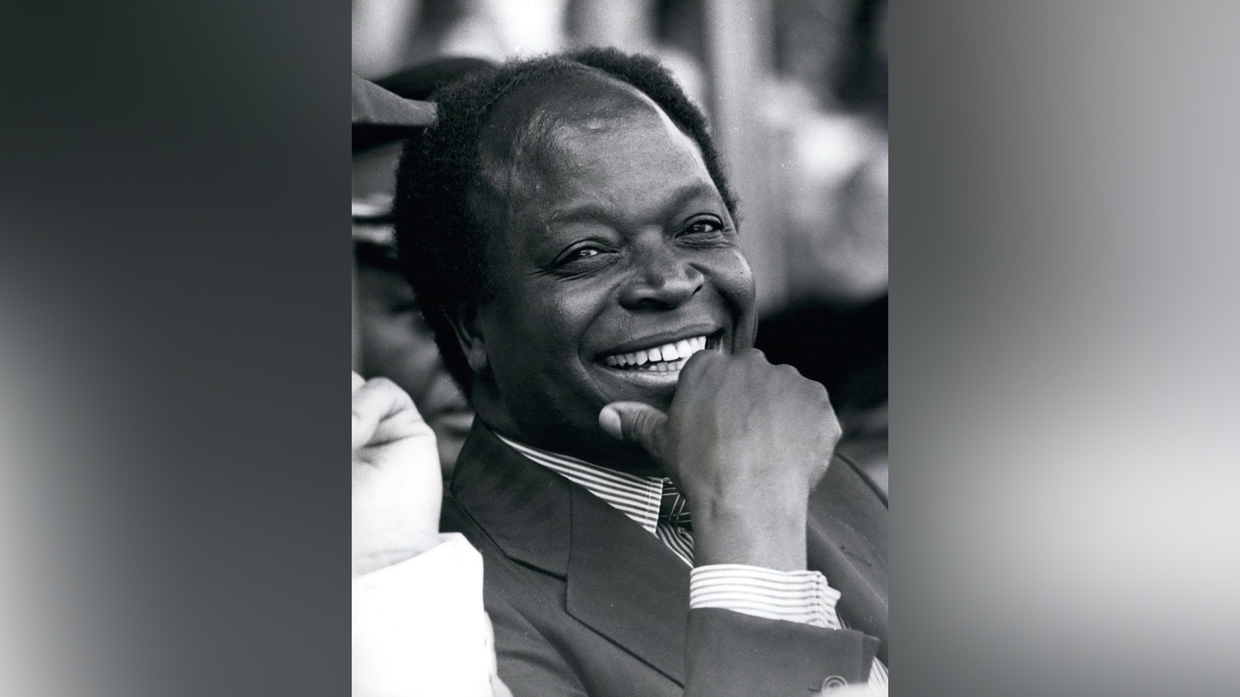
Each past Kenyan president has defined foreign policy based on merging geopolitical realities and national priorities. Moi was largely pro-Western before shifting his focus towards Eastern nations, particularly China, in pursuit of aid and investment. The shift was largely occasioned by criticism by Western nations on human rights violations, political repression, and lack of democratic freedoms in the early 1990s and suspension of foreign aid by institutions such as the World Bank and the International Monetary Fund (IMF), due to corruption concerns and demands for political reform which plunged Kenya into an economic crisis.
The biggest investment from the East during that period was the construction of the $3.6-billion 578.8-kilometer Standard Gauge Railway (SGR) line from the port City of Mombasa to Naivasha town, west of the Capital Nairobi. During Kenyatta’s reign, Kenya witnessed reduced Western support but its relationship with the East saw the country strengthen its influence in regional and continental affairs.
Friend of both
Dennis Muniu, a policy analyst at the Global Centre for Policy and Strategy (GLOCEPS), believes that Kenya’s delicate balance of its foreign policy between the East and West carries both positive and negative implications.
“This dual engagement has yielded significant benefits, such as investment in infrastructure by China’s Belt and Road Initiative and sustained trade with the European Union and the USA in agricultural products and labor,” says Muniu.
The same month, Kenya attended the 9th Forum on China-Africa Cooperation (FOCAC), where it sought assurance for funding of incomplete Chinese infrastructure projects, including the dualling of the Nairobi Bypass and the extension of the SGR from Kenya’s Rift Valley to the Western region.
Kenya has also been keen on strengthening its relations with Russia, particularly in areas such as food security and fertilizer imports. Kenya heavily relies on the East for fertilizer, grains supplies and other agricultural inputs.
Being an anchor state and gateway to the Eastern Africa region, Kenya has a strategic location and is a focal point of competition among major geopolitical actors, so it can use its open-door policy to leverage benefits from both Eastern and Western powers.
Going forward, Kenya will need a clear foreign policy to gain regional, continental and global influence on important global issues such as climate change, peacekeeping, and trade negotiations, which will guarantee it more credibility and legitimacy in interactions with various actors.
Regional influence and security issues
At the regional and continental level, Kenya’s foreign policy inconsistency risks weakening its continental standing, particularly if it is seen as indecisive or opportunistic at a time when the country is seeking to take over the leadership of the African Union Commission. Other pro-East nations might view Kenya as a proxy of the West and this could alienate African leaders aligned with Russia and China, particularly in West Africa.
Retaining influence in regional security includes combating terrorism and violent extremism, so in this field, too, Kenya continues to establish and strengthen its security relations with powers in the East and West.
With the West providing military aid, training and intelligence support to strengthen Kenya’s counter-terrorism capabilities, the country has also been looking towards the East for alternative avenues for military modernization, with security partnerships with nations such as China and Russia being pursued.
Kenya’s future foreign policy will depend on its ability to adapt to evolving global power structures and navigate the complex geopolitics of the 21st century.
Muniu warns that Kenya’s balancing between the East and West could possibly hurt the country’s interests. “Striking a balance between the East and West has immense opportunities and benefits, but failure to mitigate an associated risk could destabilize Kenya’s strategic interests,” Muniu told RT.
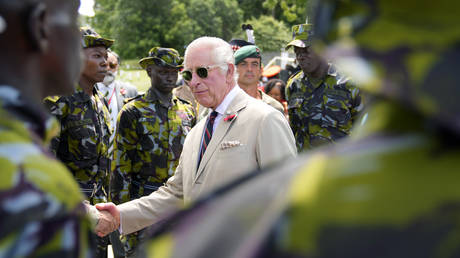
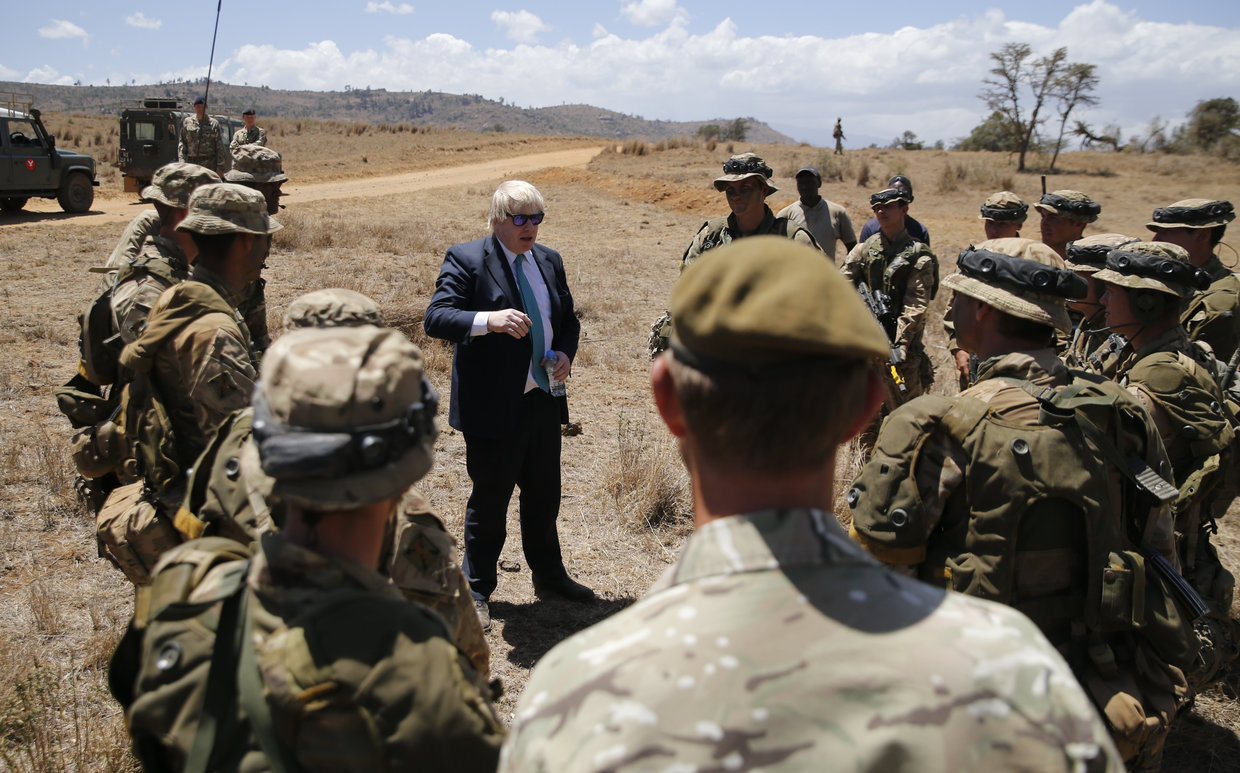
Last year, Kenya’s parliamentary committee on defense and foreign relations officially launched an inquiry into the activities of the British Army Training Unit in Kenya (BATUK) after allegations of human rights violations emerged from Kenyans. The focus of the investigations is the alleged murder of a Kenyan woman, Agnes Wanjiru, by British soldiers in 2012.
Kenya’s leading political parties seem to be divided between the West and the East. While the ruling party is seen as pro-Western, the opposition has always been viewed as pro-Eastern. This was evident during Kenya’s 2022 presidential elections, when the opposition supporters accused Western countries led by the US of interfering with the polls by allegedly supporting the current president. The opposition even demanded the recall of the US ambassador to Kenya, Meg Whiteman, accusing her of taking sides in the hotly contested polls.
Muniu argues that Kenya needs a clear and consistent foreign policy framework. “Over the years, Kenya’s foreign policy has largely been characterized by a dynamic interplay of continuity and adaptation with each president recalibrating the country’s external relations based on emerging geopolitical realities and national priorities”, he said.
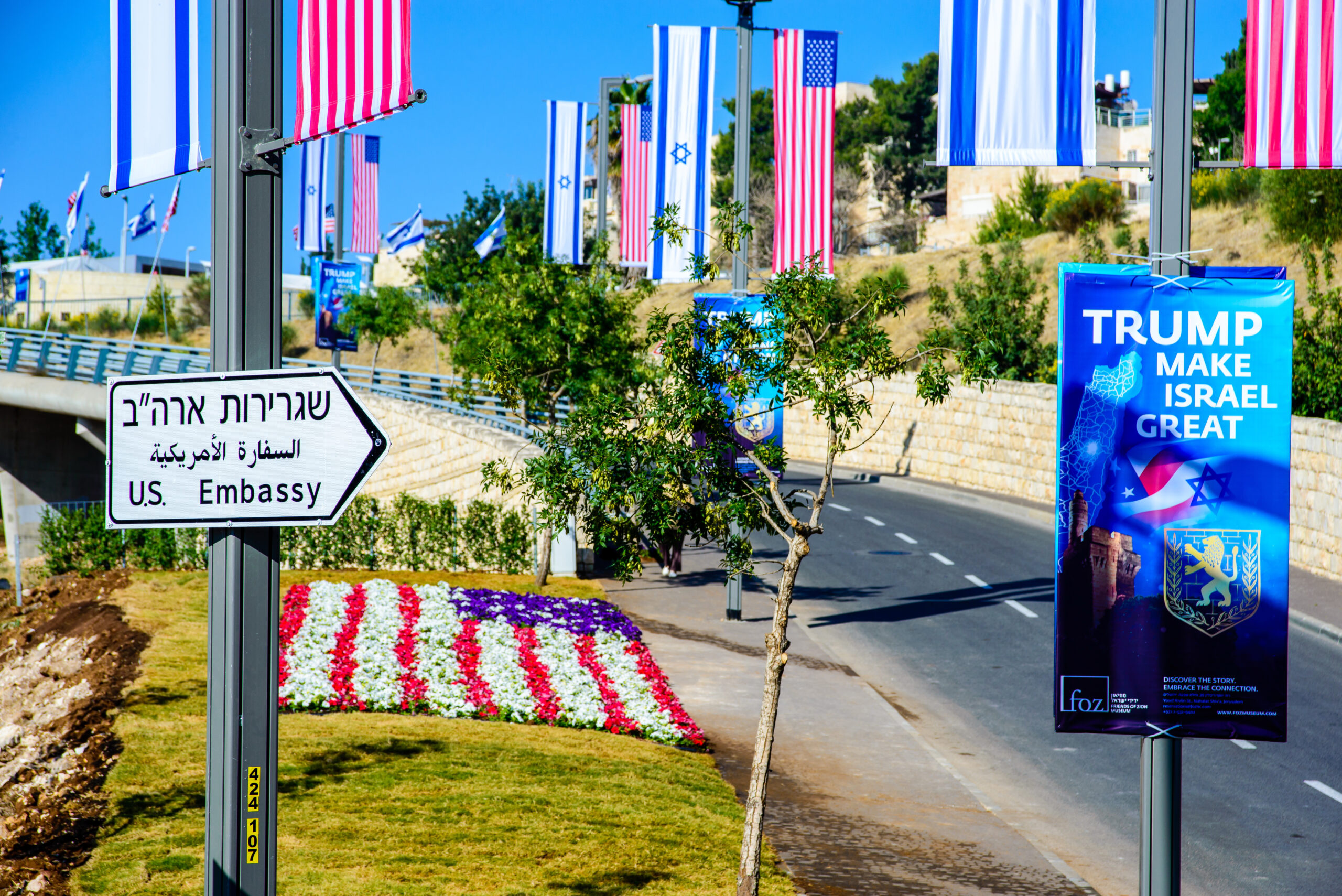
For example, during the crisis between Israel and other Arab nations in the Middle East, Kenya, unlike South Africa, which has taken a clear stand and sided with Palestine, has been playing safe by staying neutral and avoiding taking a side that could shake its relations with either the East or West.
Muniu observes that a best foreign policy approach is one that not only safeguards economic and diplomatic interests but also protects the country’s internal democracy against external influence. “The existing ambiguity weakens Kenya’s ability to assert its interests independently and increases its susceptibility to shifting global dynamics,” he argues.
With its economy in crisis, Kenya has turned its attention to diversification and looking beyond the West, with President Ruto making public his country’s intention to join the Russia-China led coalition of the BRICS. Ruto made the signal during a visit by Li Xi, the secretary of the Central Commission for Discipline Inspection of the ruling Communist Party of China. During the visit, Ruto made an appeal to China to support Kenya’s quest to join BRICS.


























































 Like
0
Like
0
 Dislike
0
Dislike
0
 Love
0
Love
0
 Funny
0
Funny
0
 Angry
0
Angry
0
 Sad
0
Sad
0
 Wow
0
Wow
0